

Inside the remarkable work of Isla Animals Rescue

Home means different things to different people. For the animals arriving at Isla Animals Rescue, it can mean something especially profound: safety, healing and a second chance.
Located in the Mexican Caribbean, Isla Animals rescues and cares for animals who have been abandoned, neglected, injured or left to survive on the streets. Every day brings new challenges—and occasionally, stories that even experienced rescuers and veterinarians won't soon forget.
The Cases They Won’t Forget
This summer has brought its share of extraordinary cases.
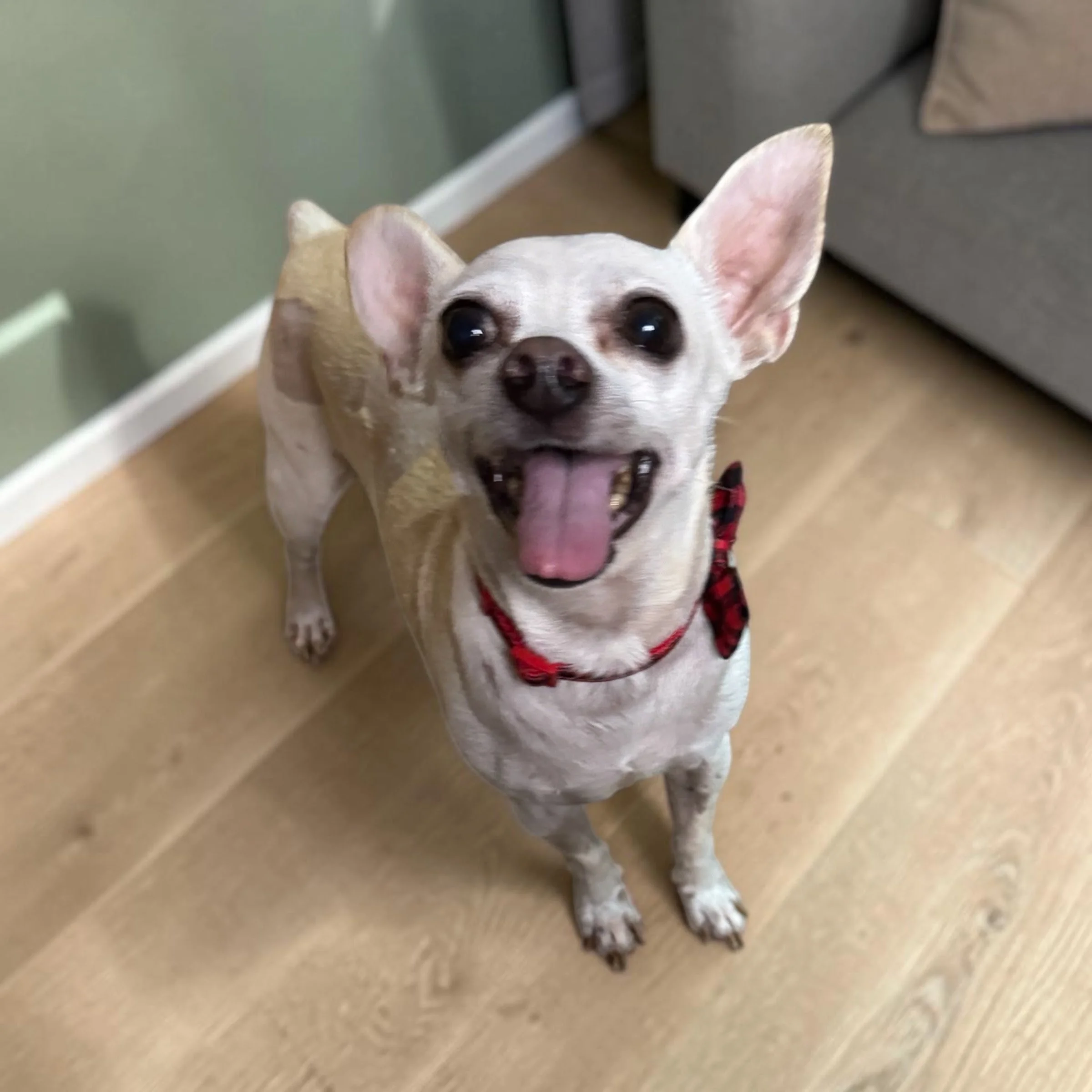
Crema, an adorable 11-year-old dog, arrived after her owner became too ill to care for her. She appeared healthy and happy—until an examination revealed something seriously wrong. An X-ray showed her bladder packed with stones.
Following emergency surgery, the team counted them.
227 bladder stones.
Thankfully, all were removed, and Crema is now recovering beautifully.
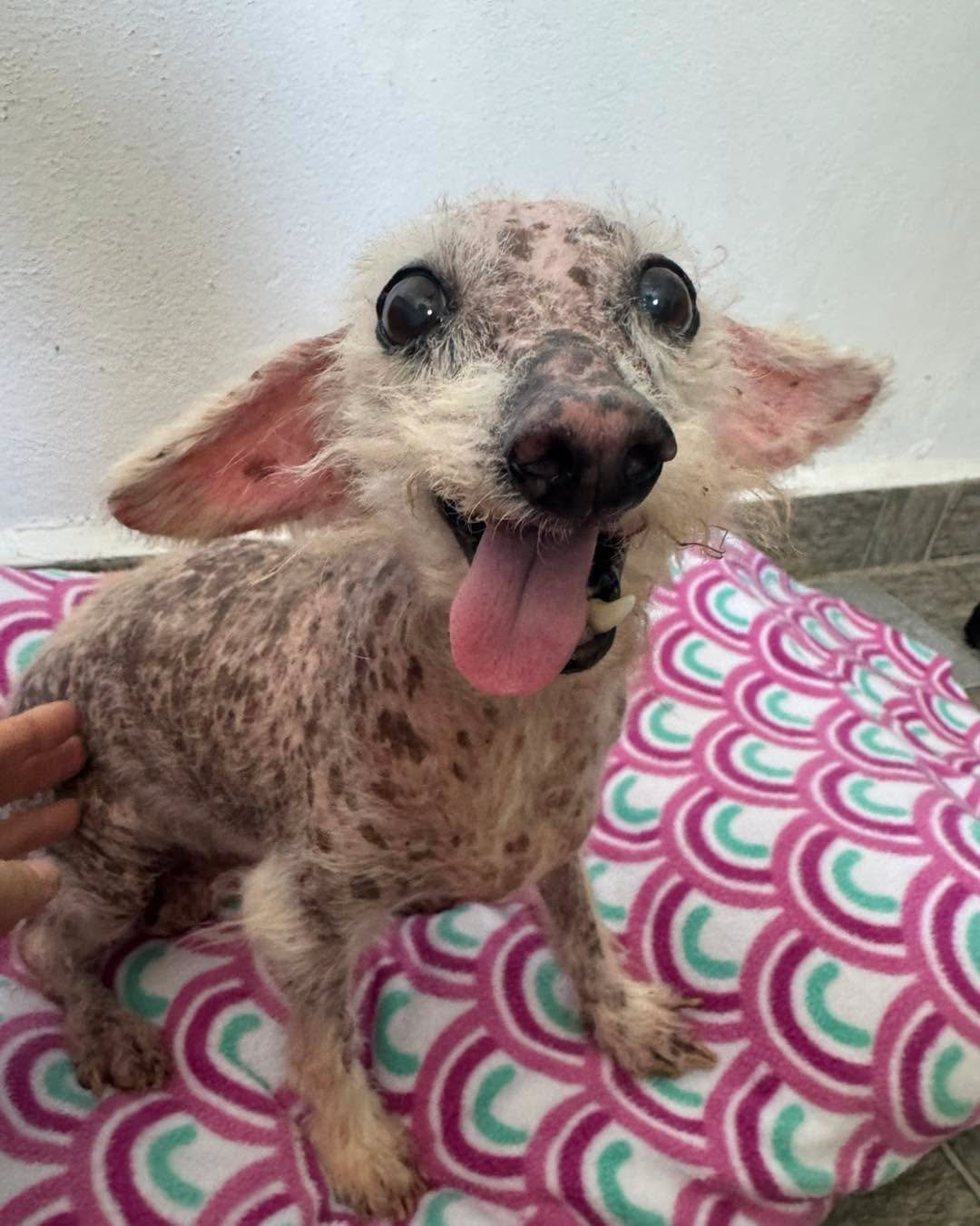
Then there's Viejita Chulita, a tiny senior dog who arrived severely anemic, suffering from ehrlichia, serious skin problems and almost no hair. Recovery has taken time, but step by step, she has grown stronger—and much fluffier.
Sometimes, the smallest changes can be the biggest victories.
Helping Before Rescue Is Needed
Rescue is only one part of Isla Animals' mission.
This summer, the organization provided almost 150 free spay and neuter surgeries for street animals, community dogs and cats, and free-roaming animals with limited access to veterinary care.
Programs like these are essential. While rescue helps animals already in need, prevention can help reduce overpopulation and prevent future generations of unwanted animals from being born on the streets.
Building a Better Home
The team is also continually improving the Isla Animals Oasis, creating a cleaner, safer and more comfortable environment for the animals in their care.
Recent improvements include new flooring and tiling, upgraded outdoor isolation areas, repairs, painting and a shaded space where both dogs and humans can escape the Caribbean sun.
Work also continues on the organization's future Sanctuary, envisioned as a quieter space for long-term residents and animals recovering before and after surgery.
A Place to Begin Again
The stories coming out of Isla Animals can be heartbreaking, but they are ultimately stories of hope.
They are stories of injured animals healing, frightened animals learning to trust and sick dogs slowly becoming healthy again.
They remind us that a home doesn't have to be perfect.
Sometimes, it simply begins with a safe place to rest, someone willing to care and the time needed to heal.
Because everyone deserves a place to call home.
Our mailing address is:
Isla Animals
1750 30th Street #1-197
Boulder, CO 80301













































Quisque iaculis facilisis lacinia. Mauris euismod pellentesque tellus sit amet mollis.